

Why Air Receiver Tanks Are Important for Compressed Air Systems
Compressed air is one of the most widely used utilities in industrial and commercial operations. From manufacturing plants and workshops to process industries and engineering facilities, compressed air supports a wide range of applications such as pneumatic tools, automation systems, packaging equipment, cleaning processes, and production lines.
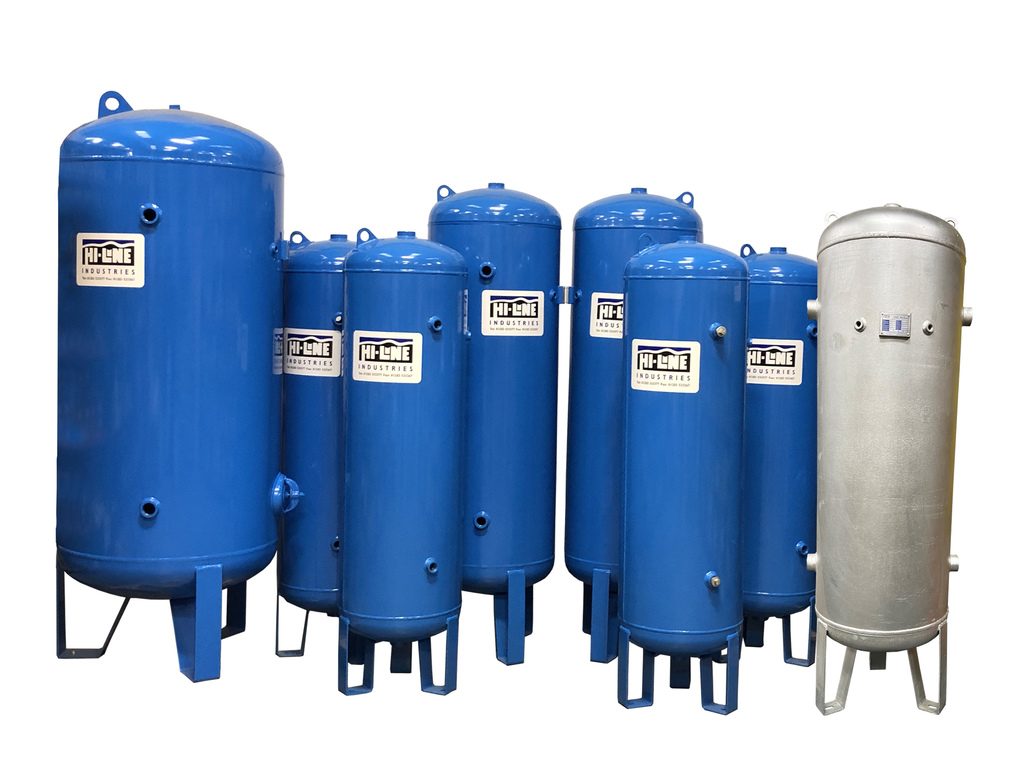
However, for a compressed air system to work efficiently, it requires more than just a compressor. One of the most important components in the system is the air receiver tank. An air receiver tank stores compressed air and helps the entire system operate with better stability, safety, and efficiency.
Choosing the right air receiver tank is essential for maintaining consistent air pressure, reducing compressor load, improving energy efficiency, and protecting connected equipment. This is why working with a reliable air receiver tank manufacturer is important for industrial projects.
What Is an Air Receiver Tank?
An air receiver tank is a pressure vessel designed to store compressed air generated by an air compressor. It acts as a temporary storage unit between the compressor and the air distribution system.
When the compressor produces air, the receiver tank stores it until the system requires it. This helps maintain a steady supply of compressed air, especially during periods of high demand. Instead of making the compressor start and stop frequently, the air receiver tank provides stored air to the system whenever needed.
Air receiver tanks are commonly used in factories, workshops, automotive facilities, food processing units, pharmaceutical plants, textile industries, and other industrial environments where compressed air is required continuously.
Why Air Receiver Tanks Are Important
1. Maintains Stable Air Pressure
One of the main functions of an air receiver tank is to maintain stable pressure in the compressed air system. In many industrial applications, air demand changes throughout the day. Some machines may require sudden bursts of air, while others may operate continuously at a steady flow.
Without an air receiver tank, these changes can cause pressure fluctuations. This may affect the performance of pneumatic tools, automation systems, and production equipment. An air receiver tank helps balance these fluctuations by storing compressed air and releasing it when required.
Stable air pressure improves equipment performance and supports smoother operations.
2. Reduces Compressor Cycling
Frequent compressor start and stop cycles can increase wear and tear on the compressor. This can lead to higher maintenance costs, reduced compressor life, and unnecessary energy consumption.
An air receiver tank reduces this problem by storing compressed air and allowing the system to use the stored air before the compressor starts again. This helps reduce frequent cycling and allows the compressor to operate more efficiently.
By reducing compressor load, the air receiver tank supports longer equipment life and better system reliability.
3. Improves Energy Efficiency
Energy efficiency is an important factor in every industrial compressed air system. Compressors consume a significant amount of energy, especially when they are forced to run continuously or start frequently due to unstable demand.
An air receiver tank helps improve energy efficiency by providing a buffer between air generation and air consumption. It allows the compressor to operate in a more controlled manner and reduces unnecessary running time.
When properly selected and installed, an air receiver tank can support better energy management and help reduce operational costs.
4. Supports Peak Air Demand
In industrial facilities, there are times when air demand suddenly increases. This may happen when multiple machines operate at the same time or when specific equipment requires a large volume of compressed air for a short period.
During these peak demand periods, the air receiver tank supplies stored compressed air to meet the requirement. This prevents sudden pressure drops and ensures that all connected equipment receives sufficient air.
This is especially important in production environments where pressure drops can cause delays, equipment errors, or quality issues.
5. Helps Remove Moisture from Compressed Air
Compressed air naturally contains moisture. When air is compressed, water vapor can condense inside the system. If this moisture is not managed properly, it can cause corrosion, damage tools, affect product quality, and reduce the performance of downstream equipment.
An air receiver tank allows compressed air to cool down, which helps moisture condense and collect at the bottom of the tank. With proper drain valves, this collected moisture can be removed from the system.
This helps improve air quality and protects the overall compressed air network.
6. Protects Pneumatic Equipment
Many industrial machines and tools depend on clean and stable compressed air. Pressure fluctuations, moisture, and irregular air supply can affect the performance and service life of pneumatic equipment.
By maintaining pressure stability and helping with moisture separation, an air receiver tank protects connected equipment from unnecessary stress. This results in smoother operation, fewer breakdowns, and lower maintenance requirements.
For industries that rely on continuous production, this protection is highly valuable.
7. Improves System Safety
Air receiver tanks are pressure vessels, so they must be designed and manufactured with proper safety standards. A high-quality air receiver tank includes essential safety accessories such as safety valves, pressure gauges, and drain valves.
These components help monitor and control the system safely. The tank must also be designed to handle the required working pressure and operating conditions.
Choosing a certified and experienced air receiver tank manufacturer ensures that the vessel is built for safe and reliable performance.
Key Factors to Consider When Choosing an Air Receiver Tank
Selecting the right air receiver tank depends on the application, compressor capacity, air demand, pressure requirement, installation space, and operating environment.
Some important factors to consider include:
Capacity of the tank
Working pressure requirement
Vertical or horizontal configuration
Material of construction
Connection type
Drainage system
Safety accessories
Compliance with pressure vessel standards
Maintenance requirements
Manufacturer experience and quality control
A properly sized and well-manufactured air receiver tank improves the performance of the entire compressed air system. On the other hand, an incorrectly selected tank can lead to pressure issues, energy loss, and frequent maintenance problems.
Applications of Air Receiver Tanks
Air receiver tanks are used in many industries where compressed air plays an important role. Common applications include:
Manufacturing units
Automotive workshops
Food and beverage industries
Pharmaceutical facilities
Textile industries
Packaging units
Chemical processing plants
Engineering workshops
Power plants
Industrial automation systems
In each of these applications, air receiver tanks help maintain a reliable and efficient compressed air supply.
Why Choose Precision Storage Vessels for Air Receiver Tanks?
Precision Storage Vessels manufactures air receiver tanks designed for industrial compressed air systems. The company provides air receivers in different capacities and configurations to meet specific project requirements.
The air receivers are manufactured with a focus on strength, durability, safety, and long-term performance. Depending on the project requirement, the tanks can be supplied with suitable connection options, support types, working pressure ratings, and essential accessories such as safety valves, pressure gauges, and auto drain valves.
With experience in pressure vessel manufacturing, Precision Storage Vessels supports industries that require reliable compressed air storage solutions for safe and efficient operations.
Conclusion
Air receiver tanks are a vital part of compressed air systems. They help maintain stable pressure, reduce compressor cycling, improve energy efficiency, manage peak air demand, support moisture removal, and protect connected equipment.
For any industrial facility that depends on compressed air, choosing the right air receiver tank can make a major difference in system performance and long-term reliability.
Precision Storage Vessels provides quality air receiver tanks designed to support safe, efficient, and dependable compressed air operations across industrial and commercial applications.