

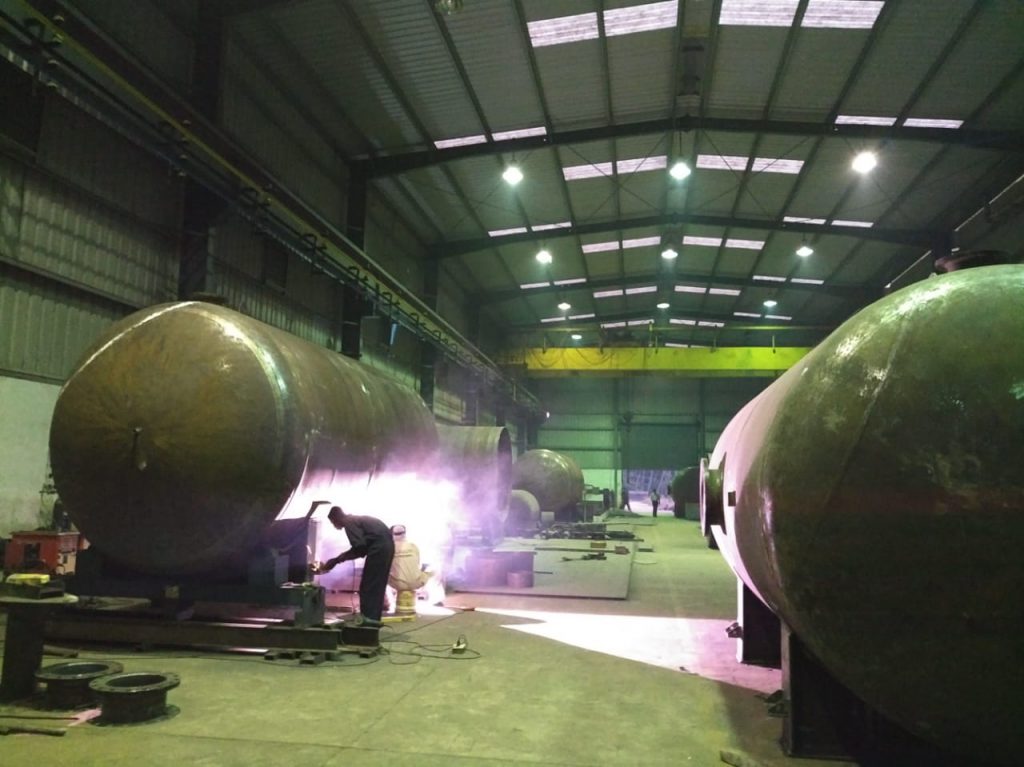
Storage vessels are critical components in many industrial and commercial processes. Whether you are storing chemicals, food products, pharmaceutical ingredients, or water, the quality of the material used in your storage vessel directly impacts the safety, purity, and performance of the products contained within.
In this blog we will explore why material integrity is essential, how poor quality materials can affect your products, and what to look for when choosing a storage solution that protects your investment and your brand reputation.
What is Material Integrity in Storage Vessels?
Material integrity refers to the ability of the storage vessel material to maintain its strength, stability, and chemical compatibility over time. High quality materials resist corrosion, contamination, structural failure, and degradation.
Successful material integrity means:
-
No chemical leaching into stored products
-
Minimal corrosion or deterioration
-
High durability under temperature or pressure variations
-
Compliance with industry safety standards
This is why companies that care about product safety choose premium materials for their storage solutions.
If you are considering upgrading your system, explore our range of industrial storage solutions.
Why Material Integrity Matters for Product Safety
1. Prevents Contamination
Using inferior or incompatible materials can lead to contamination. For sensitive products such as pharmaceuticals, food, and beverages, even minute impurities are unacceptable. High-quality materials maintain product purity throughout the storage life.
Learn more about food safe storage vessels in our product catalog.
2. Enhances Longevity and Durability
Storage vessels are long-term investments. Choosing materials that resist wear and environmental stress helps avoid frequent replacements and costly downtime. Materials with poor integrity can corrode, crack or fail, leading to leaks and hazards.
Check out the benefits of durable industrial storage tanks for more details.
3. Supports Regulatory Compliance
Many industries require storage solutions that meet strict safety and compliance standards. This includes certifications for chemical resistance, hygienic design, and construction quality. Choosing the right material helps ensure your facility stays compliant.
For compliance and certification guidance, read our article on industry safety standards for storage vessels.
Common Materials Used in Storage Vessels
Different applications require different materials. Here are some commonly used materials and why they are chosen:
Stainless Steel
Stainless steel is widely used due to its strength, corrosion resistance, and sanitary properties. It is especially favored in food, beverage, and pharmaceutical industries.
Carbon Steel
Carbon steel is strong and economical. With proper coatings and maintenance it is suitable for many industrial applications.
High Density Polyethylene (HDPE)
HDPE is a versatile plastic that resists many chemicals and is lightweight. It is commonly used for liquid storage where corrosion resistance is needed.
Each material has strengths and limitations. Choosing the best one requires understanding your storage conditions, product sensitivity, and regulatory requirements.
Explore our storage vessel material options to find the best fit for your application.
How to Evaluate Material Quality
When selecting storage vessels, pay attention to:
-
Material grade and certification
-
Manufacturing standards
-
Compatibility with stored product
-
Environmental conditions
-
Maintenance and cleaning requirements
Always consult with experts to ensure you choose a vessel that meets your specific operational needs.
If you need professional assistance, our team is here to help. Contact us for consultation.
Real World Risks of Poor Material Integrity
Using substandard materials can lead to:
-
Product loss or contamination
-
Health and safety hazards
-
Costly downtime and repairs
-
Regulatory fines or shutdowns
Protecting your products and your reputation begins with investing in materials that perform reliably under real conditions.
Conclusion
Material integrity in storage vessels plays a central role in product safety, performance, compliance, and operational efficiency. Choosing high quality materials is not optional. It safeguards your products and prevents risks that can impact your bottom line.
Ready to protect your products with superior storage solutions?
Contact Precision Storage Vessels today to find the right storage vessel for your needs.
Visit precisionstoragevessels.com to browse our product range and get expert support for your next project.