

The Importance of Material Integrity in Storage Vessels
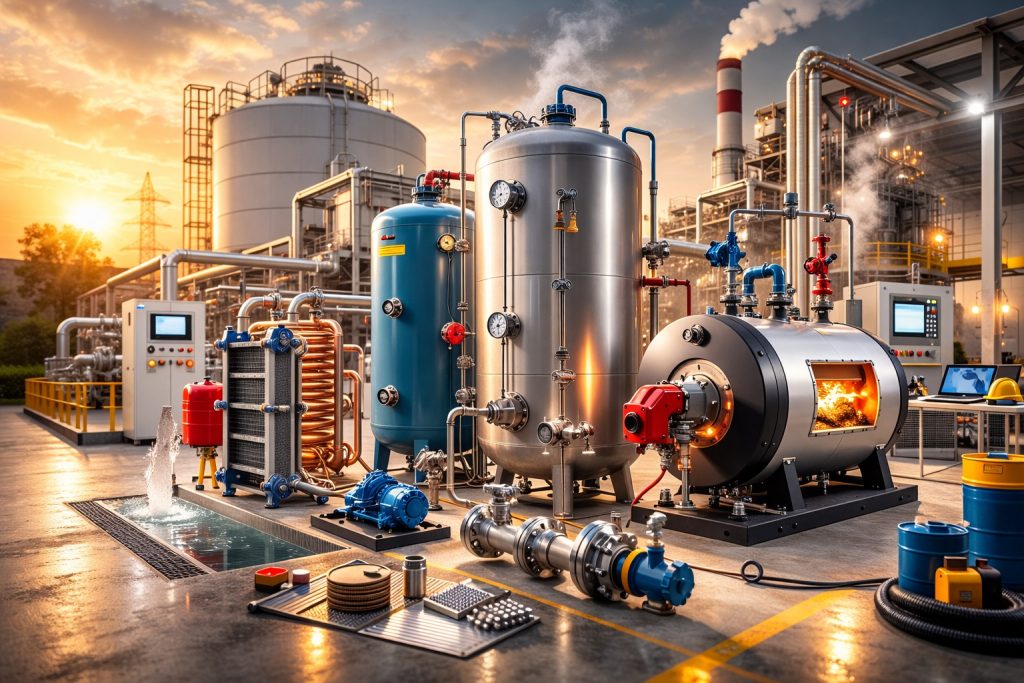
In industries where the safety and efficiency of processes depend on the containment of various fluids and gases, the integrity of storage vessels is paramount. Whether used for hot water, chilled water, or other essential substances, these vessels must be built to withstand extreme conditions and ensure that the product remains safe and uncontaminated. The material quality of storage vessels plays a critical role in maintaining their durability, functionality, and safety standards.
Why Material Integrity Matters
The material used in manufacturing storage vessels directly impacts their ability to perform under pressure, temperature fluctuations, and prolonged use. For instance, hot water storage tanks or compressed-type expansion tanks must be constructed with materials that can endure high temperatures without degrading, ensuring the system’s longevity and maintaining water quality.
Consider copper-lined calorifiers, which are specifically designed to resist corrosion, making them an excellent choice for storing and heating water. The use of high-quality copper ensures not only enhanced durability but also improves the system’s efficiency by minimizing heat loss. The integrity of these materials guarantees the vessel’s reliability over time, reducing the risk of failure and expensive repairs.
Material Integrity in Different Types of Vessels
Different types of storage vessels require specialized materials to meet specific requirements:
Feedwater tanks & blowdown vessels need materials that can resist rust and contamination from water impurities.
Chilled water buffer tanks, which manage the thermal load in cooling systems, must be made from materials that resist thermal stress and corrosion.
Expansion vessels and surge vessels play crucial roles in maintaining system pressure and preventing damage to the system. High-quality steel and other durable materials ensure that these vessels can withstand the internal pressures they are subjected to, ensuring safe operation.
Maintaining Product Safety Through Material Quality
The primary concern in storage vessels is to keep the contents safe from contamination or degradation. Whether it’s for oil/gas-fired water heaters or electric water heaters, ensuring that the material of the storage vessel is resistant to the corrosive effects of chemicals, heat, and pressure is key. Poor material quality can lead to leaks, contamination, or even catastrophic failures.
For example, air and dirt separators in heating systems need materials that can prevent any foreign particles from entering the system, which could otherwise cause blockages or damage to other components. Similarly, plate heat exchangers need high-quality materials to efficiently transfer heat without corrosion, ensuring they continue to function optimally without any loss of energy or leakage.
The Role of Manufacturers in Ensuring Material Integrity
Manufacturers like Precision Storage Vessels take great care in ensuring that the materials used in their products meet the highest standards. Whether producing suction diffusers, tee strainers, or deluge tanks, the emphasis is on sourcing materials that are both durable and capable of withstanding the rigors of industrial applications. By adhering to stringent manufacturing processes and material selection criteria, they ensure that the storage vessels can perform safely and efficiently throughout their lifecycle.
Conclusion
In conclusion, the material quality of storage vessels is essential to ensuring both product safety and operational efficiency. Whether it’s for hot water storage tanks, air receivers, or expansion vessels, the choice of materials directly affects the longevity and safety of the vessel. By choosing reliable manufacturers and materials, industries can avoid costly failures, improve system performance, and ensure that their storage vessels continue to operate at peak performance for years to come.
For more information on high-quality storage vessels and components, visit Precision Storage Vessels